
11 Strategies To Completely Block Your Soffit Installation
페이지 정보

본문
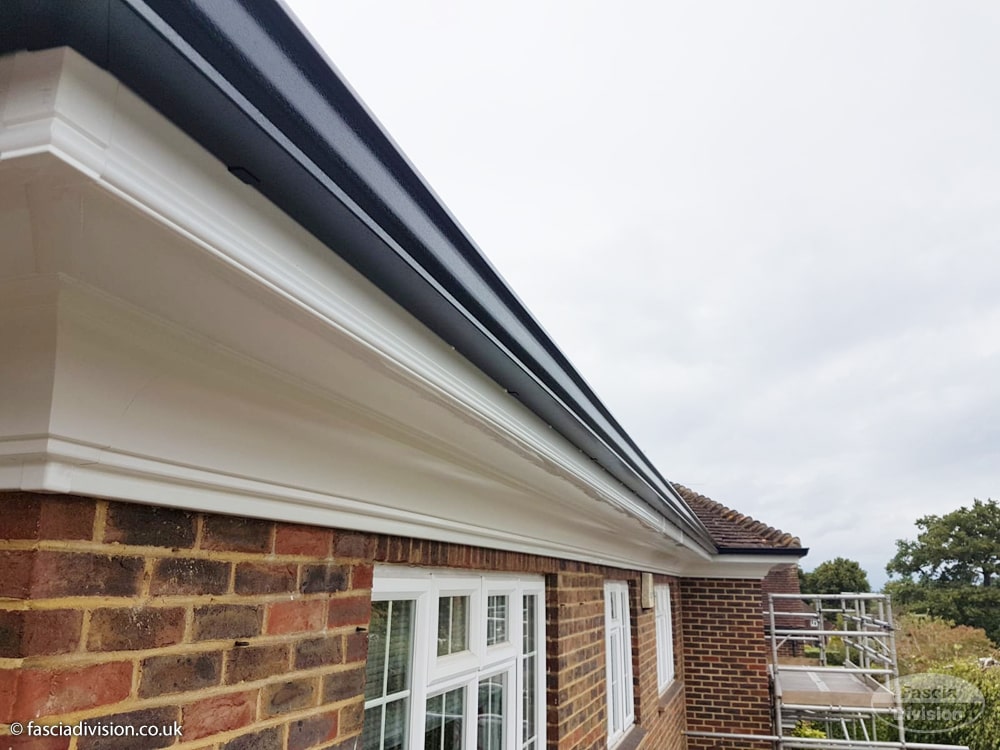
Expert Soffit Installation: Ensuring Proper Design and Functionality
Soffits play an essential role in roofing architecture and ventilation systems, contributing to the general durability and looks of a home. A soffit, which refers to the underside of an architectural function, typically hides rafters or ductwork, while offering ventilation to prevent moisture accumulation. When it comes to soffit installation, expert understanding and accurate techniques are vital. This article digs into the intricacies of soffit installation, consisting of products, benefits, and frequently asked questions (FAQs) surrounding the process.
Understanding Soffits and Their Importance
Before diving into the complexities of soffit installation, it's crucial to understand what soffits are and why they matter:
Benefits of Proper Soffit Installation
| Advantage | Description |
|---|---|
| Ventilation | Soffits allow fresh air to flow in the attic, preventing heat and moisture accumulation. |
| Home Aesthetics | Readily available in numerous products and Upvc Fascias Soffit (Notes.Io) styles, soffits improve the general look of homes. |
| Protection | Properly set up soffits shield rafters and other structural components from weather condition damage. |
| Bug Prevention | Sealed soffits can prevent bugs from going into the attic space. |
Kinds Of Soffit Materials
Soffits are available in different materials, each with distinct benefits and qualities. Some common options consist of:
| Material | Pros | Cons | Best Suited For |
|---|---|---|---|
| Vinyl | Low maintenance, rot-resistant | Can fade gradually | Damp environments |
| Aluminum | Light-weight, durable | Needs painting | Different climate conditions |
| Wood | Visually pleasing, flexible | High maintenance | Traditional-style homes |
| Fiber Cement | Long lasting, resistant to bugs | Much heavier to set up | Modern construction |
Steps for Expert Soffit Installation
1. Preparation
Before any installation starts, it's needed to collect all needed products and tools:
Tools Needed
- Caulking weapon
- Determining tape
- Circular saw
- Ladder or scaffolding
- Hammer
- Drill
- Security goggles and gloves
Materials Required
- Soffit panels (vinyl, aluminum, wood, and so on)
- Soffit vents (if needed)
- F-j-channel molding for edges
- Flashing (for protection versus water invasion)
- Fasteners (screws or nails)
2. Measurement and Cutting
The initial step includes determining the area where the soffit will be set up. Accurate measurements are essential for a tight fit which enhances both performance and appearance.
Suggestion: Always measure twice before cutting as soon as!
- Calculate Total Length: Measure the border of the eaves.
- Cut the Panels: Using a circular saw, cut the soffit panels to fulfill the needed dimensions.
3. Installation of Soffit Panels
Connecting the F-J-Channel
- Secure the F-J-Channel: Begin by connecting the F-J-channel along the eaves of the building, ensuring it's level. This channel supports the ends of your soffit panels.
Inserting the Soffit Panels
- Slide in the Panels: Insert the first soffit panel into the F-J-channel, guaranteeing it locks firmly at the edge.
- Securing: Use the suggested fasteners to connect the panel to the structure beneath, following the manufacturer's standards for spacing.
4. Ventilation Considerations
Correct ventilation is important for preserving a healthy attic area. When installing soffits:
- Include Soffit Vents: Depending on your home's ventilation requirements, include soffit vents to permit air to flow freely into the attic.
- Examine Local Codes: Adhere to regional building regulations regarding ventilation to guarantee compliance.
5. Sealing and Finishing Touches
Once all panels are in location:
- Seal Edges: Use caulk or weatherproof sealant to safeguard versus wetness penetration.
- Last Inspection: Examine the installation for any spaces or misalignments, making sure whatever is protected and aesthetically pleasing.
Common FAQs about Soffit Installation
What is the perfect product for soffits in damp climates?
Vinyl is often recommended due to its rot resistance and low maintenance requirements.
How typically should soffits be inspected or replaced?
Homeowners must examine their soffits a minimum of as soon as a year for damages or indications of pests. Replacement might be required every 20 to 30 years, depending on the material and climate.
Can I install soffits myself, or should I hire an expert?
While some skilled DIYers can take on soffit installation, employing an expert guarantees exact measurements, materials examinations, and compliance with regional codes.
How do I understand if I require ventilation in my soffits?
If your attic experiences extreme heat accumulation, wetness, or bad air circulation, you likely require ventilation. Think about professional suggestions for the very best service.
What occurs if soffits are not set up properly?
Incorrectly set up soffits can lead to moisture buildup, insect seepage, and roofline Services structural concerns. Ensuring professional installation reduces these threats.
Mastering the art of expert soffit installation requires both knowledge of products and hands-on skills. By comprehending the value of soffits, the range of products offered, and the proper installation methods, homeowners can guarantee a well-ventilated, aesthetically-pleasing, and structurally sound home. When in doubt, looking for the help of professional contractors can mitigate threats and guarantee quality results that stand the test of time.
- 이전글You'll Never Guess This Window Installation Specialists's Secrets 25.12.08
- 다음글You'll Never Guess This Cheapest Fridge Uk's Tricks 25.12.08
댓글목록
등록된 댓글이 없습니다.