
A Step-By'-Step Guide For Long-Neck Sander Test
페이지 정보

본문
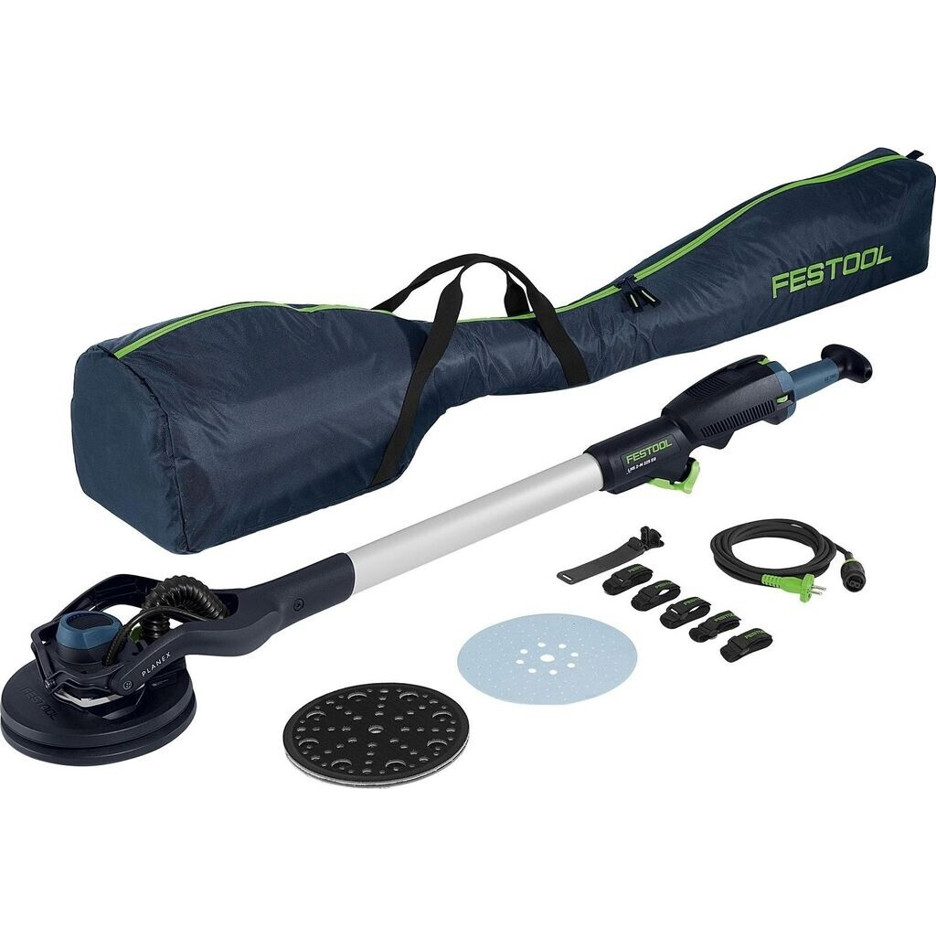
Understanding the Long-Neck Sander Test: An Overview for Professionals
The long-neck sander test is a vital assessment in different building and construction and painting jobs, mainly focusing on accomplishing smooth finishes on large surface areas. This post aims to notify professionals about the specifics of the long-neck sander test, its importance, approach, and how it enhances work quality in numerous trades. We'll cover whatever from common FAQs to specific details in tabular form, making sure a comprehensive understanding.
What is a Long-Neck Sander?
A long-neck sander, likewise referred to as an extended reach sander, is a tool designed for sanding big surface areas-- particularly ceilings or tall walls-- that would otherwise be challenging to reach with traditional sanders. The design usually includes a long manage linked to a sanding head, enabling users to accomplish a smooth finish without the requirement for scaffolding or ladders.
| Type of Long-Neck Sanders | Description | Best Use Case |
|---|---|---|
| Pneumatic Sanders | Air-powered, lightweight | Industrial and automotive applications |
| Electric Sanders | Corded or cordless | Residential paint and drywall completing |
| Manual Sanders | Hand-held but extended | Touch-ups and detail work |
Value of the Long-Neck Sander Test
The long-neck sander test serves several purposes, consisting of:
Surface Quality Assurance: Ensuring that a surface area is uniform and devoid of flaws might prevent issues in subsequent work stages, such as painting or sealing.
Functional Efficiency: By examining the efficiency of a long-neck sander, professionals can recognize the best method and methods that will conserve time and resources.
Security Assurance: Reducing the requirement for scaffolding or comprehensive ladder work lessens fall risks, hence promoting a safer workplace.
Methodology of the Long-Neck Sander Test
Carrying out a long-neck sander test includes several actions that ensure both quality and effectiveness.
Preparation:
- Obtain the required tools: long-neck sander, sandpaper of various grits, dust mask, security goggles.
- Guarantee the work space is clear of debris.
Test Surface Selection:
- Choose an area of the product you prepare to sand. This could be drywall, wood, or other surface areas.
Sanding Technique Assessment:
- Evaluate the different sanding techniques such as orbital, direct, and cross-sanding.
- Test different grits to determine optimum outcomes for the material.
Observation and Measurement:
- Visually examine for scratches, unevenness, or any indications of flaw.
- Usage sanders with specifications that permit measurement for accurate results.
Paperwork:
- Record findings, consisting of surface condition before and after sanding.
- Note any issues encountered and potential resolutions.
Common Issues and Solutions
Throughout the long-neck sander testing procedure, numerous problems can develop. Here's a table summing up the common issues and their options:
| Issue | Prospective Cause | Service |
|---|---|---|
| Unequal surface area after sanding | Incorrect sanding method | Adjust method, attempt various angles |
| Excessive dust build-up | Poor vacuum attachment | Make sure proper vacuum connection |
| Gouged surface | Too coarse sandpaper | Start with finer grit sandpaper |
| Machine getting too hot | Extended use or improper maintenance | Permit a cooling duration and inspect motor performance |
FAQs About the Long-Neck Sander Test
1. What types of surface areas can a long-neck sander be used on?
Long-neck sanders are perfect for drywall, plaster, wood, and some concrete surface areas. Each surface area may require particular sanding pads or techniques.
2. How do I understand which grit sandpaper to use?
Picking the right grit includes starting with a coarser grit for heavy product removal, then moving towards finer grits for smoothing out the surface.
3. Is a long-neck sander necessary for little jobs?
While useful for large locations, for little tasks or exzenterschleifer test 2025 (triplexdirectory.com) information, a manual sander may be adequate. Nevertheless, using a long-neck sander generally provides a more consistent finish.
4. Are there any safety concerns connected with utilizing a long-neck sander?
Yes, it is essential to use safety goggles and a dust mask to avoid inhaling dust and prevent eye irritation. Additionally, make sure proper body posture to avoid stress.
5. How regularly should the sandpaper be changed?
The frequency of sandpaper replacement differs depending upon the product being worked on and kompressor für garage kaufen; directory-fast.com, the depth of sanding. Normally, once the sandpaper appears stopped up or ineffective, it needs to be changed.
The long-neck sander test is an essential process in many building and ending up applications, guaranteeing high requirements of quality and security. By comprehending the numerous methodologies, prospective issues, and akku Schlagschrauber angebot FAQs surrounding this tool, professionals in the field can boost their workflow and deliver exceptional results consistently.
Investing time in mastering long-neck sander techniques will not just enhance surface finishes but likewise contribute to a more efficient and safer work environment. Whether dealing with massive business jobs or smaller sized property ones, the tools and knowledge derived from the long-neck sander test are invaluable properties.
- 이전글Guide To Bean To Cup Latte Machine: The Intermediate Guide To Bean To Cup Latte Machine 25.12.08
- 다음글ADHD Adult Test Tools To Ease Your Daily Lifethe One ADHD Adult Test Trick That Everybody Should Be Able To 25.12.08
댓글목록
등록된 댓글이 없습니다.