
A Step-By Step Guide For Choosing The Right Stationary Planer Test
페이지 정보

본문
Understanding the Stationary Planer Test: Everything You Need to Know
When it pertains to woodworking and product preparation, precision and efficiency are vital. One tool that offers precision in shaping and maschinen set Mit 3 akkus planing wood is the stationary planer. But similar to any other tool, the quality and efficiency of stationary planers need to be examined. This is where the stationary planer test can be found in.
In this post, we will look into what the stationary planer test requires, how it's carried out, its significance, and often asked concerns associated with the subject.
What is a Stationary Planer?
A stationary planer is a woodworking machine developed to smooth the surface of wood and bring it to a wanted thickness. Unlike hand planers, these machines run utilizing electric power and can dealing with larger pieces of wood with greater performance. They generally feature adjustable cutters that can minimize the material in differing densities. The stationary planer is essential for attaining an uniform surface finish, making it essential in both industrial and hobbyist woodworking applications.
The Importance of Conducting a Stationary Planer Test
To make sure that the stationary planer runs effectively and produces the wanted outcomes, it is important to carry out a stationary planer test. This Stationäre Hobelmaschine Test assesses a number of performance factors, consisting of:
- Cut Quality: The smoothness and consistency of the finished wood surface area.
- Thickness Accuracy: How properly the planer can preserve a desired thickness.
- Feed Rate Consistency: How gradually the material feeds through the machine.
- Sound Level: The amount of sound produced throughout operation.
- Relieve of Use: User experience and the intuitiveness of controls.
Table 1: Key Factors Evaluated in a Stationary Planer Test
| Element | Description | Importance |
|---|---|---|
| Cut Quality | Smoothness and harmony of the planed surface | Affects the aesthetic and use |
| Thickness Accuracy | Discrepancy from preferred thickness | Crucial for task requirements |
| Feed Rate | Stability of material as it goes through the machine | Effects performance and result |
| Sound Level | Noise produced during operation | Impacts user convenience and ecological factors to consider |
| Alleviate of Use | Simplicity of machine controls and setup | Influences user complete satisfaction |
How is the Stationary Planer Test Conducted?
Conducting a stationary planer test involves a series of systematic steps developed to guarantee reliability and reproducibility of results:
1. Preparation
Before beginning the test, it's necessary to prepare the devices and office. This may consist of:
- Ensuring the planer is tidy and complimentary of particles.
- Calibrating the machine according to the producer's requirements.
- Picking properly sized test pieces of wood.
2. Testing for Cut Quality
- Procedure: Run a piece of wood through the planer, observing the finish after the first pass.
- Assessment: Inspect the surface for any flaws like tear-out or chattering.
3. Testing for Thickness Accuracy
- Procedure: Measure the thickness of the cut wood piece utilizing calipers before and after planing.
- Examination: Calculate the variance from the preferred thickness.
4. Assessing Feed Rate Consistency
- Procedure: Pay attention to how efficiently the wood feeds through the machine throughout testing.
- Assessment: Note any doubts or irregular feeding.
5. Determining Noise Levels
- Treatment: Tischfräse Holz Kaufen (hedge.fachschaft.informatik.uni-kl.de) Use a decibel meter to determine noise output during operation.
- Assessment: Compare the sound levels to acceptable limits set by occupational health requirements.
6. Examining Ease of Use
- Survey: Ask users about their experience operating the machine after completing the testing procedure.
- Examination: Gather feedback on machine controls, setup procedures, and user complete satisfaction.
Table 2: Summary of Testing Procedures
| Test | Procedure | Assessment Criteria |
|---|---|---|
| Cut Quality | Run wood through planer | Smoothness, existence of defects |
| Thickness Accuracy | Measure thickness before and after planing | Variance from desired thickness |
| Feed Rate Consistency | Observe feeding process | Stability of feed, incident of hesitations |
| Sound Level | Measure sound throughout operation | Comparison to appropriate noise levels |
| Relieve of Use | User feedback after operation | Satisfaction with controls and setup |
Significance of the Test Results
The results of the stationary planer Elektrohobel Test are significant on several levels:
- Improvement of Techniques: Dickenhobel maschine preisvergleich Identifying weak points permits craftsmen to make adjustments to their strategies or Profi Werkzeug Set Kaufen settings.
- Maker Insights: For producers, this feedback provides insights into product design and locations for enhancement.
- Customer Confidence: Providing extensive testing results develops trust among users concerning the item's reliability and quality.
Often Asked Questions (FAQ)
What is the very best method to preserve a stationary planer?
- Regular cleansing to prevent accumulation of sawdust.
- Routine examination and sharpening of the blades.
- Making sure all moving parts are lubricated as necessary.
How frequently should I perform a stationary planer test?
It's suggested to conduct this test after substantial usage or whenever altering blades or making adjustments to the machine settings.
Can I carry out a stationary planer test with any kind of wood?
While it is possible to test numerous wood types, some woods (like softwoods) may yield various outcomes compared to woods. It's vital to think about the product when creating tests for maximum efficiency.
What should I do if my planer produces bad cut quality?
Examine the blades for dullness or damage, check the machine's calibration, and ensure the wood is being fed correctly without resistance.
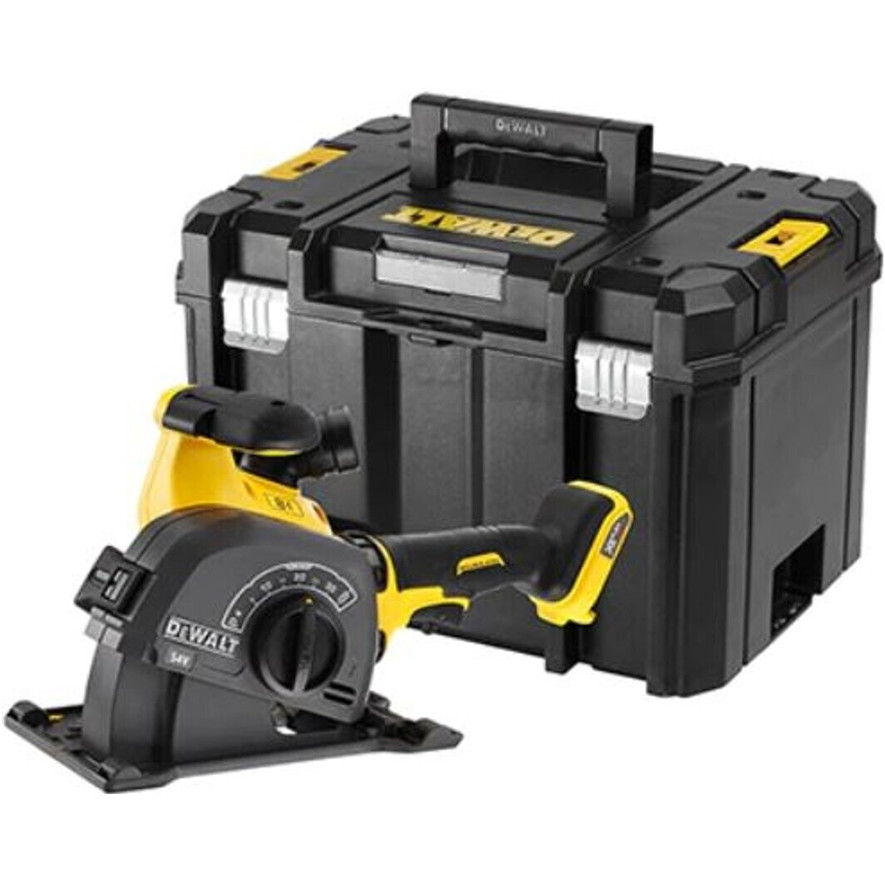
Exist specific brand names known for high-quality stationary planers?
Yes, brand names such as Dewalt, Bosch, and Grizzly are typically discussed for their dependability and performance, however it's vital to assess based on personal requirements and the testing outcomes.
Conducting a stationary planer test is vital for establishing the reliability and effectiveness of these powerful woodworking machines. With an emphasis on precision, smooth finishes, and user experience, this testing can guide both producers and end-users in making informed decisions regarding their woodworking tools. Whether you are a professional woodworker or a passionate hobbyist, understanding the subtleties of stationary planer tests can raise the quality of your work and the longevity of your devices.
- 이전글What's The Current Job Market For Door Panel Solutions Professionals? 25.12.07
- 다음글It Is The History Of Plasma Cutter Test 2024 In 10 Milestones 25.12.07
댓글목록
등록된 댓글이 없습니다.