
Repair Doors And Windows Tools To Make Your Everyday Lifethe Only Repa…
페이지 정보

본문
The Comprehensive Guide to Repairing Doors and Windows
Doors and windows are vital elements of any building structure, providing security, insulation, and visual appeal. Over time, these fixtures are susceptible to wear and tear due to different aspects, consisting of weather changes, unintentional damage, and regular use. Comprehending how to repair windows and doors can be essential for preserving a home or structure's structural stability and total look. This guide aims to provide comprehensive information on the kinds of repairs, typical concerns experienced, and step-by-step processes for reliable repairs.
Common Issues with Doors and Windows
Before delving into repair techniques, it's crucial to acknowledge typical concerns faced by doors and windows. Here's a list of problems that might need attention:
Doors:
- Warping: Caused by humidity modifications, doors might bow or twist.
- Scratches and Dents: Physical effect can leave undesirable marks.
- Sticking: Misalignments or swelling can make doors hard to open.
- Lock Malfunctions: Locking mechanisms might end up being jammed or broken.
Windows:
- Drafts: Air leakages due to bad sealing or old weather condition stripping.
- Split Glass: Damage from impacts or severe climate condition.
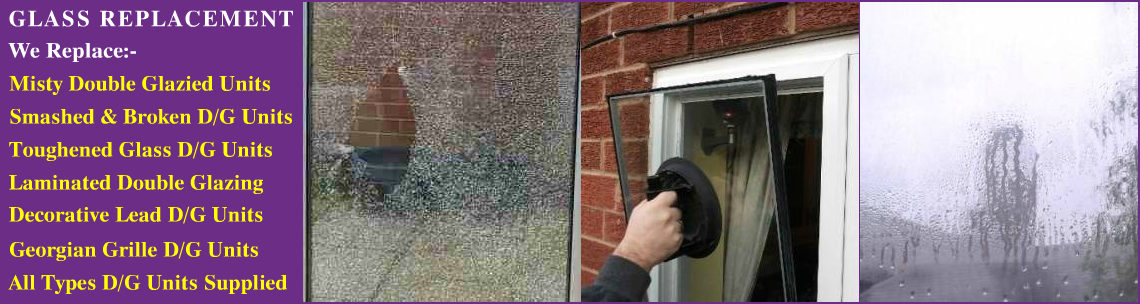
- Foggy Glass: Failure of double-glazed systems, leading to moisture build-up.
- Rodent Damage: Infestations can cause broken frames or sashes.
Tools and Materials Needed
Before beginning any repair, ensure you have the required tools and products at hand. Here's a hassle-free list:
Tools:
- Screwdriver (Flathead and Phillips)
- Hammer
- Tape Measure
- Level
- Utility Knife
- Caulk Gun
- Pliers
- Sandpaper
- Sculpt
Products:
- Replacement Glass (if needed)
- Wood Filler
- Weather Stripping
- Caulk
- Paint/Stain
- Screws and Nails
Step-by-Step Repair Process
Repairing Doors
Assess the Damage
- Observe and determine the kind of damage. Check hinges, locks, and the door frame for any structural concerns.
Repairing Warped or Sticking Doors
- Adjust Hinges: Tighten or loosen up screws on hinges to line up the door properly.
- Sand Edges: If the door sticks, gently sand down the edges utilizing sandpaper until it opens efficiently.
Repairing Scratches and Dents
- Wood Filler: Apply wood filler to scratches, let it dry, and sand it flush with the surface area. Complete by painting or staining to match the door's color.
Changing the Lock
- Eliminate the old lock following the producer's instructions. Set up the new lock by securing it in place with the supplied screws.
Repairing Windows
Check the Window Frame
- Look for rot, warping, or instability in the frame. Utilize a level to guarantee it's square.
Repairing Drafts
- Remove Old Weather Stripping: Take off the used removing with an energy knife.
- Install New Weather Stripping: Measure and cut the new stripping to size, then press it into place.
Repairing Cracked Glass
- If the fracture is minor, using epoxy might be adequate. For significant damage, eliminate the damaged glass using an energy knife and change it with brand-new glass, securing it with putty.
Attending To Foggy Windows
- If the double-glazed system fails, think about changing the entire unit. Consult an expert if the task seems overwhelming or requires specialized tools.
Maintenance Tips
Routine maintenance can prevent future concerns with doors and windows. Some reliable practices include:
- Regular Inspections: Check frames, locks, and seals a minimum of two times a year.
- Tidy: Remove dirt and debris from frames and sills to avoid serious concerns.
- Paint/Stain: Reapply paint or stain every couple of years to secure wood surface areas.
- Lube: Use WD-40 or a similar item to lube hinges and locks for smooth operation.
Summary Table of Repairs
| Repair Door Type | Tools Needed | Products Needed | Estimated Time |
|---|---|---|---|
| Repairing Warp/Sticking | Screwdriver, Sandpaper | None | 30 minutes |
| Repairing Scratches | Sandpaper, Wood Filler | Paint/Stain | 1 hour |
| Changing Locks | Screwdriver | New Lock | 30 minutes |
| Fixing Drafts | Utility Knife | Weather condition Stripping | 1 hour |
| Changing Glass | Utility Knife, Hammer | Replacement Glass | 1-2 hours |
Often Asked Questions (FAQs)
1. How frequently should I check my doors and windows?
Regular inspections are recommended two times a year to ensure that any prospective concerns are determined early.
2. Can I replace glass in a window myself?
Yes, if you have the right tools and are comfortable with the process. Nevertheless, for considerable damage or double-glazed units, it's a good idea to consult an expert.
3. What are the signs that I need to replace my door or window?
Typical indications consist of extensive warping, trouble in opening/closing, and visible damage such as fractures or big damages.
4. How do I fix a door that will not latch?
Guarantee the lock is lined up with the strike plate. You might need to change the hinges or move the strike plate a little to accomplish proper alignment.

5. Is weather condition stripping needed?
Yes, weather removing is essential for energy effectiveness and maintaining a comfy indoor environment, avoiding drafts and wetness from getting in.
Repairing doors and windows is an important skill for house owners and home supervisors alike. By understanding common issues, acquiring the right tools and products, and following appropriate repair techniques, people can maintain their residential or commercial property's integrity and longevity. Regular maintenance and timely repairs not just enhance the performance of doors and windows but likewise add value to the property. Whether undertaking minor fixes or larger repairs, making the effort to do it right can make a significant difference in the convenience and security of any building.
- 이전글The A - Z Guide Of Tungsten Rings 25.11.16
- 다음글The Under-Appreciated Benefits Of Double Glazed Windows Installation 25.11.16
댓글목록
등록된 댓글이 없습니다.