
20 Up-Andcomers To Watch The Look For Exercise Bikes Industry
페이지 정보

본문
The Comprehensive Guide to Choosing the Right Exercise Bike
Over the last few years, stationary bicycle have surged in popularity, ending up being an essential home exercise equipment for many fitness lovers and casual users alike. They provide a hassle-free way to engage in cardiovascular exercise, enhance endurance, and promote general health without the requirement to endeavor exterior. Nevertheless, not all stationary bicycle home exercise are developed equivalent, and choosing the right one can feel frustrating in the middle of the plethora of options. This guide aims to offer an in-depth check out the numerous kinds of exercise bikes, their functions, and the factors to consider when buying.
Types of Exercise Bikes
When browsing for a stationary bicycle, it is important to understand the various types readily available on the market. Each type has its distinct characteristics and benefits:
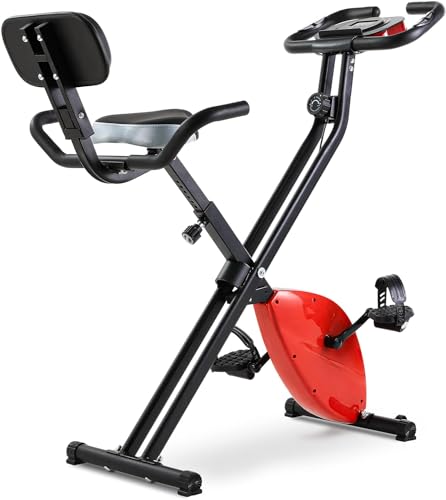
| Type | Description | Suggested For |
|---|---|---|
| Upright Bikes | Simulates standard biking positions; compact and steady. | Individuals trying to find a full-body exercise and minimal area. |
| Recumbent Bikes | Functions a reclining seat for improved back assistance; easy to use. | Older grownups, those with back problems, or beginner cyclists. |
| Spin Bikes | Developed for high-intensity training; typically used in cycling classes. | Fitness enthusiasts focused on interval training and endurance. |
| Dual-Action Bikes | Integrates upper and lower body workouts; usually designed for a full-body exercise experience. | People looking to boost their cardiovascular fitness and strength. |
| Foldable Bikes | Compact and simple to store; a fantastic option for little areas. | Those with limited exercise area or who need a portable option. |
Key Features to Consider
When evaluating stationary bicycle, potential buyers must consider a number of essential features to ensure they pick the right model for their requirements:
Resistance Levels
- Adjustable resistance enables users to increase or reduce workout strength, providing a progressive obstacle. Look for bikes with magnetic resistance for smooth changes.
Convenience
- Consider the seat's size and cushioning. Adjustable handlebars and pedals are also important to guarantee a comfortable riding position.
Console Display
- Lots of bikes featured an integrated console that tracks speed, range, time, calories burned, and heart rate. A clear, easy-to-read screen can boost the exercise experience.
Weight Capacity
- Make sure the bike can support the user's weight. The majority of bikes have actually a defined weight limitation, which is essential for security and resilience.
Connection
- Numerous modern-day cycle exercise home bikes use Bluetooth connectivity and compatibility with fitness apps, permitting for a more interactive workout experience.
Warranty
- An excellent service warranty can supply peace of mind and protect versus possible flaws. Search for bikes with a minimum of an one-year service warranty on parts and frame.
Benefits of Using an Exercise Bike
Stationary bicycle offer a plethora of health advantages, making them an excellent addition to any fitness program. A few of the popular advantages include:
- Cardiovascular Fitness: Regular biking reinforces the heart, lungs, and circulatory system, enhancing total cardiovascular health.
- Weight Management: Utilizing a stationary bicycle exercise bicycle can aid in burning calories, which is crucial for weight upkeep or loss when combined with a well balanced diet.
- Low Impact: Unlike many other types of exercise, biking is mild on the joints, making it a perfect alternative for users with joint pain or problems.
- Convenience: Home exercise bikes allow users to exercise regardless of weather condition conditions or gym hours, making it easier to adhere to a routine.
- Adjustable Workouts: With different resistance levels and workout programs readily available, exercise bikes can accommodate all fitness levels and objectives.
Regularly Asked Questions (FAQs)
1. How often should I use my stationary bicycle?
For maximum benefits, it's advised to exercise for at least 150 minutes per week at a moderate strength or 75 minutes at a vigorous intensity. It's essential to develop a routine that matches your lifestyle and fitness objectives.
2. What is the distinction in between a recumbent and an upright bike?
Recumbent bikes permit users to kick back in a reclined position with a larger seat and back assistance, making them suitable for people with back problems. Upright bikes imitate conventional biking postures and engage core muscles better.
3. Can I watch television or check out while utilizing an exercise bike?
Yes, lots of users discover it hassle-free to multitask while exercising. Guarantee you have a setup that allows easy watching without compromising your posture.
4. What is the best type of exercise bike for newbies?
Recumbent bikes are typically suggested for newbies due to their comfort and ease of usage. Nevertheless, an upright bike can also be a good option if you're searching for a more conventional biking experience.
5. How can I remain motivated to utilize my exercise bike frequently?
Establishing an exercise schedule, setting particular goals, and tracking your progress can help keep inspiration. Signing up with online classes or obstacles can likewise create a sense of community and accountability.
Picking the ideal stationary bicycle can significantly improve your fitness journey. Consider your individual fitness goals, area availability, and the specific features of the bikes you are interested in. With various options available, understanding their differences can help you make an educated choice that fits your lifestyle. Buying a stationary bicycle is not almost acquiring devices; it's a commitment to a much healthier, more active lifestyle.
- 이전글10 Audi Replacement Key Strategies All The Experts Recommend 25.11.25
- 다음글What Patio Door Installation Experts Want You To Know 25.11.25
댓글목록
등록된 댓글이 없습니다.