
10 Startups That'll Change The Fascia Installation Industry For The Be…
페이지 정보

본문
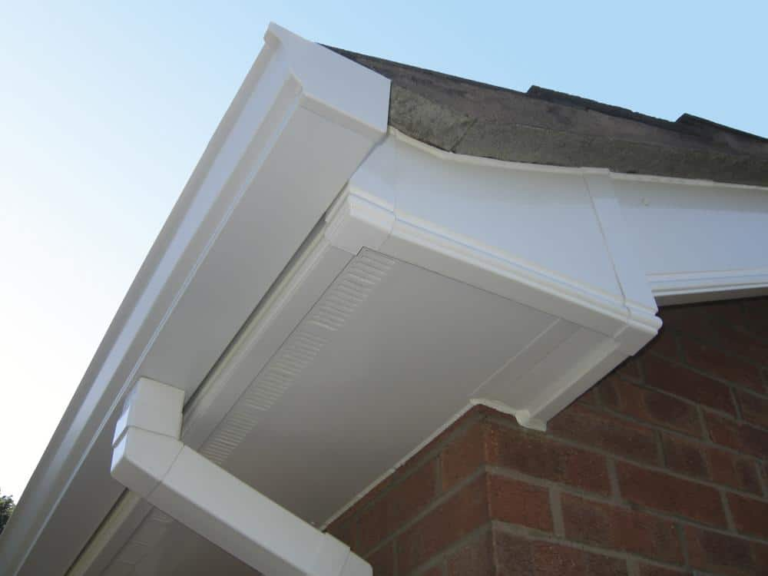
Fascia Installation: A Comprehensive Guide
Fascia boards are a vital element of any roof, serving both functional and aesthetic functions. Their installation can significantly affect the longevity of a building's roofing, affecting everything from insulation to water drainage. This article intends to provide a comprehensive introduction of fascia installation, providing insights and useful steps for homeowners and specialists alike.
What is Fascia?
Fascia is a long, straight board that runs along the lower edge of the roof. Typically made from wood, vinyl, or aluminum, it acts as a protective barrier for the edges of the roof and helps support the bottom row of tiles or shingles. In addition to acting as an attractive transition between the roofing system and the siding of a building, fascia likewise provides a surface area to which seamless gutters can be installed.
Common Materials Used for Fascia
| Product | Pros | Cons |
|---|---|---|
| Wood | Natural appearance; personalized; simple to paint | Prone to rot and insect damage; requires continuous maintenance |
| Vinyl | Resilient; low maintenance; offered in various colors | Can end up being brittle over time; minimal customization |
| Aluminum | Lasting; resistant to rust; lightweight | Can dent quickly; may need specific tools for cutting |
Importance of Proper Fascia Installation
Appropriate fascia installation is essential for numerous factors:
- Structural Integrity: Fascia helps to support the roofing system and the weight of any gutters, guaranteeing that both perform effectively.
- Aesthetic Appeal: A well-installed fascia board can boost the general appearance of a building.
- Security from Elements: It offers a barrier against rain, snow, and wind, securing the underlying structures.
- Avoidance of Pest Infestation: A protected fascia can help avoid insects like birds and squirrels from entering the roofing cavity.
Steps for Installing Fascia
Fascia installation can be broken down into a series of systematic actions. Each action is important to guarantee that the fascia is installed correctly and will last for years to come.
Preparation
Before starting the installation, collect all essential materials Soffit And Fascia Replacement tools. Here is a list of items you may need:
- Fascia boards (wood, vinyl, or aluminum)
- Measuring tape
- Miter saw or circular saw
- Level
- Caulk and caulking weapon
- Galvanized nails or screws
- Ladder
- Safety gear (gloves, goggles)
Measuring and Cutting
Measure the Area: Use a measuring tape to identify the length of the fascia board required. Make certain to take accurate measurements, accounting for any angles or slopes in the roof.
Area Type Measurement Technique Straight Edge Step from end to end Pitched roofs Measure length and angle separately Cut the Fascia Board: Use a miter saw or circular saw to cut the fascia board to the proper lengths. If corners need to be cut, utilize a miter joint for a clean finish.
Setting up the Fascia
Position the Fascia Board: Place the fascia board along the edge of the rafters, ensuring it is level and fits snugly against the Roofline Services.
Secure the Board: Using galvanized nails or screws, protect the fascia board into place. Space the fasteners around every 16 inches to guarantee stability.
Seal Joints and Edges: Apply caulk to any joints or spaces to prevent wetness ingress. This step is especially essential for wooden fascia to lengthen its life expectancy.
Last Touches
Paint or upvc fascias; Lslv168.com, Finish: If utilizing wood, consider staining or painting the fascia board for visual appeal and included security against the components.
Install Gutters: If you prepare to have rain gutters, install them after the fascia is protected to ensure appropriate drainage.
Clean-up: Remove any particles and guarantee that the location around the installation is clean and clear.
Maintenance Tips for Fascia
Like any part of a home's exterior, fascia boards need routine maintenance to remain functional and appealing. Here are some best practices:
- Inspect Regularly: Check for signs of wear, rot, or damage a minimum of twice a year.
- Maintain Paint or Stain: For wood fascias, regularly retouch paint or stain as required.
- Clear Debris: Keep the area around the fascia devoid of leaves and debris to avoid insect entry and water pooling.
- Soffit Repair Damage Quickly: Address any issues as quickly as they are found to avoid more deterioration.
Frequently Asked Questions About Fascia Installation
Q1: Can I set up fascia myself?
A1: Yes, if you have fundamental carpentry abilities and the essential tools, you can install fascia yourself. However, if you are not confident, it might be best to employ a professional.
Q2: How long does fascia last?
A2: The life-span of fascia varies by material. Wood fascias can last 10-20 years with appropriate maintenance, while vinyl and aluminum can last substantially longer if well cared for.
Q3: What are the signs of fascia damage?
A3: Look for signs such as peeling paint, cracks, rot, or spaces in between the fascia and the roofing system. These can suggest underlying concerns that require to be resolved.
Q4: Do I need to remove my old fascia before installing new fascia?
A4: In many cases, it is advised to eliminate the old fascia to inspect for any surprise damage and to ensure correct installation of the brand-new fascia.
Fascia installation, while simple, is an important aspect of preserving the health of a home. Understanding the products involved, following appropriate installation methods, and preserving the fascia over time can lead to a resilient and aesthetically enticing result. By adhering to best practices and regularly inspecting for concerns, homeowners can secure their investments and improve their home's curb appeal.
- 이전글An Adventure Back In Time: How People Talked About Cheap Freezer With Drawers 20 Years Ago 25.11.25
- 다음글Five Killer Quora Answers On UPVC Door Repair Company 25.11.25
댓글목록
등록된 댓글이 없습니다.