
11 Creative Methods To Write About Is ÖSD Recognized In Germany
페이지 정보

본문
Is ÖSD Recognized In Germany? An In-Depth Exploration
The ÖSD, or Österreicher Sprach Diplom, is a language accreditation that assesses the German language efficiency of non-native speakers. As more people look for to develop their credentials for education and work in German-speaking nations, the concern emerges: Is the ÖSD recognized in Germany? This blog site post intends to shed light on this topic, offering in-depth info about the ÖSD, its acknowledgment in Germany, and its significance in the more comprehensive context of German language accreditations.
Understanding ÖSD
The ÖSD offers numerous levels of evaluation ranging from A1 (novice) to C2 (competent), certified with the Common European Framework of Reference for Languages (CEFR). The ÖSD Prüfung A1 Kosten is extensively considered one of the most highly regarded accreditations for non-native German speakers, indicating the holder's proficiency in reading, writing, speaking, and listening in German.
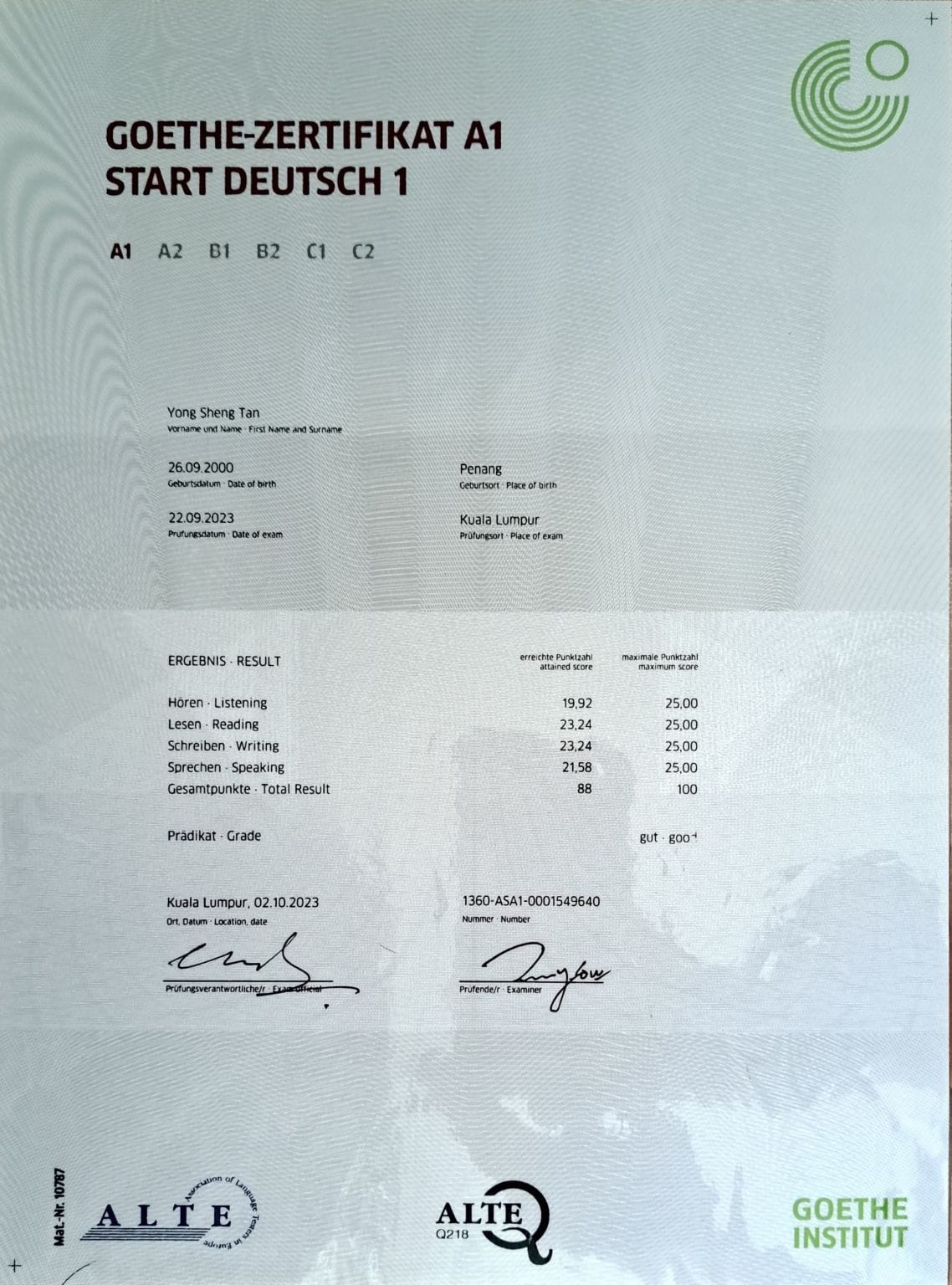
Table 1: ÖSD Exam Levels and CEFR Equivalents
| ÖSD B1 Prüfung Termine Level | CEFR Level | Description |
|---|---|---|
| ÖSD A1 | A1 | Standard user: Can understand and use familiar expressions and fundamental phrases. |
| ÖSD A2 | A2 | Basic user: Can interact in simple and routine tasks. |
| ÖSD B1 | B1 | Independent user: Can comprehend the main points of clear standard input. |
| ÖSD B2 | B2 | Independent user: Can understand the main points of intricate text. |
| ÖSD C1 Zertifikat Kaufen | OSD Zertifikat C1 | Proficient user: Can understand a large range of requiring, longer texts. |
| ÖSD C2 | C2 | Competent user: Can express themselves spontaneously and ÖSD-Prüfung In Deutschland (output.jsbin.com) really fluently. |
Recognition of ÖSD In Germany
German citizenship, residency, employment, and education are deeply linked with strong German proficiency. Therefore, comprehending the approval of language certifications is essential for global trainees and experts.
Authorities Recognition
The ÖSD is recognized in lots of institutions in Germany, including universities, companies, and governmental organizations. However, the level of recognition may depend on specific contexts and institutions. Here are some crucial areas regarding the approval of ÖSD in Germany:
- Higher Education: Many universities in Germany accept ÖSD certifications as proof of German language proficiency for non-native speakers seeking admission to programs taught in German.
- Work: While not as widely recognized as the TestDaF or DSH (other popular language certifications in Germany), lots of employers in sectors needing German efficiency acknowledge ÖSD certifications, especially if they see it as aligning with task requirements.
- Visa Requirements: Some visa applications need evidence of German proficiency. Although ÖSD can be accepted, it is suggested to check the particular requirements stated by the German Federal Foreign Office or the suitable German consulate.
Table 2: Common Language Certifications and Recognition in Germany
| Accreditation | Recognized By Universities | Recognized By Employers | Accepted for Visas |
|---|---|---|---|
| TestDaF | Yes | Yes | Yes |
| DSH | Yes | Yes | Yes |
| ÖSD | Yes (differs by organization) | Yes (case by case) | Sometimes |
| TELC | Yes | Yes | Sometimes |
Advantages of Holding an ÖSD Certification
Acquiring an ÖSD accreditation can yield numerous advantages beyond simple recognition. Here are some considerable advantages:
- Broad Acceptance: ÖSD is appreciated and acknowledged in numerous educational and expert contexts in German-speaking countries.
- Structured Learning: The tiered structure of ÖSD helps learners track their development and set quantifiable goals.
- Language Skills Validation: Holding an accreditation acts as a concrete validation of language efficiency.
- Improved Career Opportunities: Fluency in German and an ÖSD accreditation can widen task prospects, specifically in Germany and Austria.
- Cultural Integration: Learning and screening through ÖSD motivates deeper immersion into the German language and culture.
Contrast with Other Language Certifications
While the ÖSD is certainly recognized, it is vital to think about how it stacks up against other commonly accepted accreditations. The following contrast helps highlight the landscape of German language certifications:
Table 3: Comparison of Popular German Language Certifications
| Accreditation | Authoritative Body | Levels Offered | Recognized For | Period |
|---|---|---|---|---|
| ÖSD | Österreicher Sprach Diplom | A1 - C2 | Education, Employment | Varies |
| TestDaF | TestDaF Institut | B2 - C1 | Universities | 4.5 hours |
| DSH | Different Universities | DSH 1, DSH 2, DSH 3 | Universities | 3 hours |
| TELC | telc GmbH | A1 - C2 | Education, Employment | 3 to 4 hours |
Frequently Asked Questions (FAQ)
1. Is the ÖSD certificate accepted for university admission in Germany?
Yes, numerous universities in Germany accept the ÖSD certificate for admission requirements, although particular requirements might vary by institution.
2. How does the ÖSD compare to other accreditations like TestDaF or DSH?
While recognized, ÖSD is often not as commonly required as TestDaF or DSH for university admissions but is acquiring acceptance in expert contexts.
3. What level of ÖSD do I require for studying in Germany?
A lot of universities may need at least an ÖSD B2 level for bachelor's programs taught in German, however it's necessary to check the specific requirements of the organization.
4. How can I prepare for the ÖSD exam?
Preparation courses are available at different language schools, and self-study products are likewise commonly accessible. It's useful to immerse oneself in the language through conversation and media.
5. Can I use my ÖSD Prüfung diploma for task applications in Germany?
Yes, lots of employers consider it valid proof of German language proficiency, but it's advised to clarify this with prospective employers.
In conclusion, the ÖSD is recognized in numerous instructional and professional contexts in Germany, offering many advantages to non-native speakers who attain proficiency in the German language. While it may not have the same universal recognition as some other accreditations, it holds substantial value-- particularly in instructional organizations and lots of sectors of employment. Similar to any language accreditation, individuals are motivated to assess their specific situations and seek advice from relevant organizations to ensure they satisfy the needed requirements for their goals.
- 이전글What's The Current Job Market For Coffee Machine Professionals? 25.11.28
- 다음글UK medical cover is seeing record demand across the UK in today’s healthcare climate. 25.11.28
댓글목록
등록된 댓글이 없습니다.