
20 Trailblazers Setting The Standard In Fascias
페이지 정보

본문
Understanding uPVC Fascias: A Comprehensive Guide
When it concerns keeping a home, the significance of visual and practical aspects can not be overemphasized. Amongst these aspects, fascias play a crucial role in both safeguarding a home from ecological elements and enhancing its total appearance. uPVC (unplasticized polyvinyl chloride) fascias are a progressively popular choice for house owners and home builders alike, thanks to their toughness and low maintenance requirements. This article will delve into everything you need to learn about uPVC fascias, from their benefits to installation procedures, and even attend to some regularly asked questions.
What Are uPVC Fascias?
Fascias are horizontal boards that are installed at the edge of a Roofline Maintenance. They serve as an important component of the roof system, as they are usually positioned listed below the roofline and assist support the guttering. In current decades, uPVC fascias have gained appeal as an option to traditional wooden fascias due to their various advantages.
Table 1: Comparison of uPVC Fascias and Wooden Fascias
| Function | uPVC Fascias | Wooden Fascias |
|---|---|---|
| Toughness | Highly resistant to rot, pests, and rust | Prone to decay and insect damage |
| Maintenance Requirements | Minimal, generally just cleaning up | Routine painting, sealing, and repair |
| Lifespan | 20-30 years or more | 10-15 years |
| Aesthetic Variability | Available in different colors and surfaces | Natural wood grain, requires maintenance |
| Fascia Installation | Usually quicker and simpler | More complicated, requires skilled labor |
| Expense | Competitive initial expense | Greater long-term upkeep costs |
Advantages of uPVC Fascias
Choosing uPVC fascias uses several benefits that can be helpful for house owners:
1. Resilience
uPVC is highly resistant to different environmental factors, including UV rays, wetness, and altering weather. This resistance guarantees that uPVC fascias do not warp, fade, or rot over time, making them an excellent long-lasting financial investment.
2. Low Maintenance
Unlike wood, which can need regular painting and treatment, uPVC fascias require very little upkeep. A basic wash with soapy water is typically sufficient to keep them looking beautiful.
3. Visual Flexibility
uPVC fascias been available in a selection of colors and surfaces, allowing house owners to pick options that best align with their home's style. This flexibility lets you maintain the visual appeal of your home without compromising functionality.
4. Cost-Effectiveness
While the upfront expense of uPVC fascias can be equivalent to wood, their long life expectancy and low maintenance requirements can lead to considerable cost savings with time. Property owners may ultimately discover that uPVC fascias are more cost-effective than their wooden counterparts.
5. Ecological Impact
Many uPVC products are recyclable, contributing to a lowered environmental footprint. Furthermore, the prolonged life expectancy of uPVC indicates less regular replacements, leading to less waste.
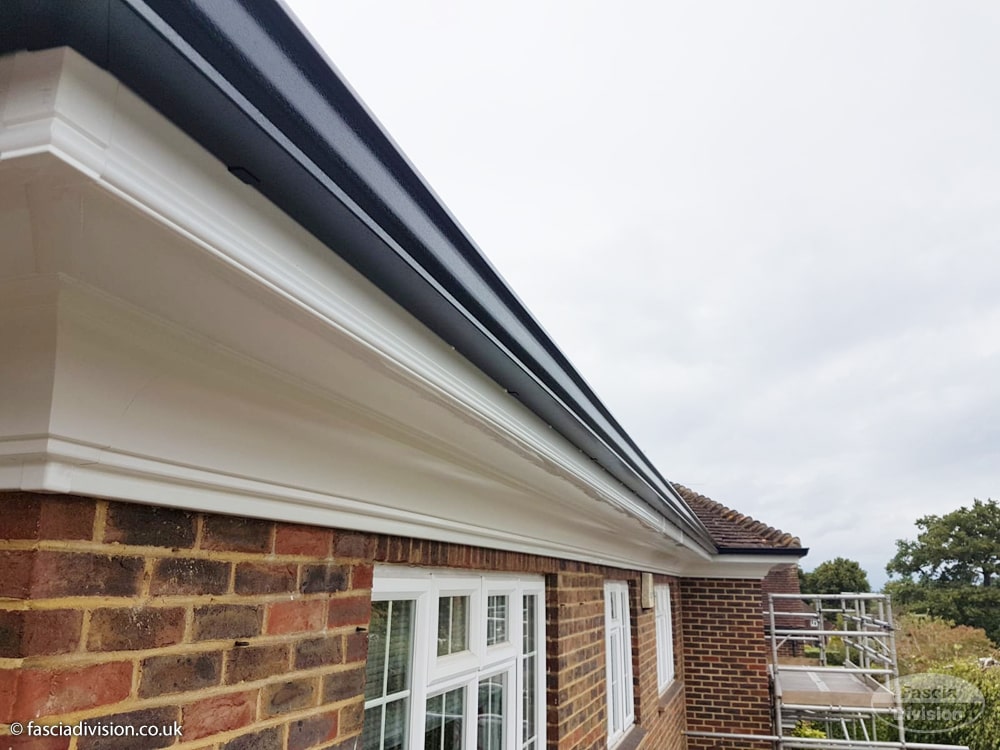
uPVC Fascia Installation Process
Installing uPVC fascias may require professional assistance, but it is vital to understand the standard actions included:
Step 1: Assess the Existing Structure
The primary step is to evaluate the present condition of the roofing system and eaves, looking for any underlying damage that might need dealing with before installation.
Action 2: Remove Old Fascias
If changing existing fascias, the old ones should be completely removed. Care should be required to avoid damaging the roof or surrounding structures.
Step 3: Fit New uPVC Fascias
As soon as the old fascias are gotten rid of, the new uPVC fascias can be cut to size and set up utilizing suitable securing methods. It's important to ensure the fascias are level and protect to enable proper drain.
Step 4: Install Soffits and Gutters
Following the installation of the fascias, the soffits and guttering can be connected, making sure a seamless and practical installation.
Step 5: Finishing Touches
Final assessments ought to be done to guarantee that whatever is aligned and securely attached, finishing the Expert Soffit Installation procedure.
Regularly Asked Questions (FAQs)
Q1: How long do uPVC fascias last?
A1: uPVC fascias can last 20 to 30 years or more, making them an economical long-term option.
Q2: Can I install uPVC fascias myself?
A2: While DIY Fascia Installation is possible, it is recommended to employ professionals to make sure that the fascias are correctly installed and sealed.
Q3: Are there any color alternatives for uPVC fascias?
A3: Yes, uPVC fascias are readily available in a wide range of colors and finishes to match your home's design.
Q4: How do I preserve uPVC fascias?
A4: Maintenance is rather simple; simply clean them sometimes with soap and water to remove dirt and debris.
Q5: Are uPVC fascias eco-friendly?
A5: Many uPVC items are recyclable, and their long lifespan lowers the requirement for continuous replacements, contributing to less waste.
uPVC fascias provide homeowners a practical, attractive, and long lasting choice for safeguarding their homes while enhancing looks. With minimal maintenance requirements and a long life expectancy, they outshine standard wooden fascias in numerous elements. Whether you are thinking about an upgrade or starting a new building and construction project, selecting uPVC fascias can be a sensible and helpful decision that promotes both performance and visual appeal. Comprehending the installation procedure and the advantages of uPVC is essential for any homeowner looking to make educated options.
- 이전글How to Tell If a Digital Subscription Is Worth the Cost 25.11.28
- 다음글The Largest Issue That Comes With Italian Driving License Official Website, And How You Can Fix It 25.11.28
댓글목록
등록된 댓글이 없습니다.