
No-Hassle CM2 File Support with FileMagic
페이지 정보

본문
A file with the .cm2 extension belongs to Poser, a 3D figure modeling and animation program originally developed by Smith Micro and later maintained by Bondware, and it stores camera set information for Poser scenes. Within a typical .cm2 file describes the positions, orientations, and other properties of one or more virtual cameras, which determine how a 3D model or scene is viewed and rendered from different angles. Because this is a program-specific 3D image file that holds camera data rather than mesh geometry, most general 3D applications and the operating system will not open or preview it directly. If you encounter a .cm2 file outside a Poser installation and are not sure what it is, you can use FileMagic to confirm it as a Poser camera set file and, where supported, open or inspect it before deciding whether to load it in Poser, request a rendered output, or export the scene with its cameras baked into a more common 3D format.
A 3D image file is a special kind of file that stores data about a 3D object so that compatible software can display it, rotate it, and in many cases animate it. That’s why it is not the same as ordinary image files such as JPG or PNG, which are limited to 2D pixels. A 3D file goes beyond that: it can say "this vertex sits at this position", "this point connects to that one to make a surface", and "this surface should look like metal or plastic". Since it stores both form and look, 3D image files are widely used in many professional fields like games, product design, and simulation.
Inside a 3D image file, there is usually a description of the object’s shape, often called the geometry or mesh. This is made of points in 3D space and the faces that connect them, which together form the model. On top of the shape, many 3D files also reference the appearance of the object, such as materials and textures, so the program knows whether a surface should look glossy, matte, transparent, or painted. Some formats carry more information and include view settings and lighting so the scene opens the way the author set it up. Others sometimes include animation data such as bones, keyframes, or motion paths, which turns the file from a static model into an asset that can move. For this reason opening a 3D file can sometimes recreate not just the object, but also the whole shot.
It’s common to see lots of different 3D extensions because 3D evolved in many industries at once. Older and desktop 3D programs created their own project files to save scenes, materials, and animation. Game engines and some titles created leaner formats to make assets load faster. Engineering and architecture tools preferred precise formats designed for measurement and manufacturing. Later, web and mobile needed lightweight 3D so products could be viewed online or dropped into AR. If you beloved this article and you would like to be given more info concerning CM2 file software kindly visit our internet site. Over time this produced a long list of 3D-related file extensions, many of them fairly obscure. These files still show up in old project folders, client deliveries, training materials, and game assets, even if the original program is no longer installed.
In real workflows, 3D image files often sit in the middle of something important. A studio may have created a character or prop in a small or older 3D tool and saved it years ago. A learning team may have packed a light 3D object in an e-learning course. A game modder may have pulled out a model from a game that used a custom animation format. A designer may have kept 3D models for client presentations but never converted them to modern exchange formats. When someone opens that directory later, what they see is only a list of unfamiliar extensions that Windows can’t preview. At that point the question is not "how do I edit this," but "what is this file and what opens it?"
This is the gap a general opener like FileMagic can close. When a user receives or finds a 3D file that the operating system does not recognize, the first step is to identify it. FileMagic can recognize a broad range of 3D image files, including lesser-known ones, so the user can confirm that the file is in fact a 3D model or 3D animation resource. For supported formats, it can open or preview the contents so the user can verify that the file is valid and see what it contains before installing heavy 3D or CAD software. This reduces guesswork, prevents unnecessary software installs, and makes it easier to decide the next step, whether that is editing, converting, or asking the sender for missing texture folders.
Working with 3D files often brings the same set of issues, and this is normal. Sometimes the file opens but appears gray because the texture images were moved to another folder. Sometimes the file was saved in an older version and the new software complains. Sometimes a certain extension was used by a game to bundle several kinds of data, so it is not obvious from the name alone that 3D data is inside. Sometimes there is no thumbnail at all, so the file looks broken even when it is fine. Being able to open or at least identify the file helps rule out corruption and tells the user whether they simply need to restore the original folder structure.
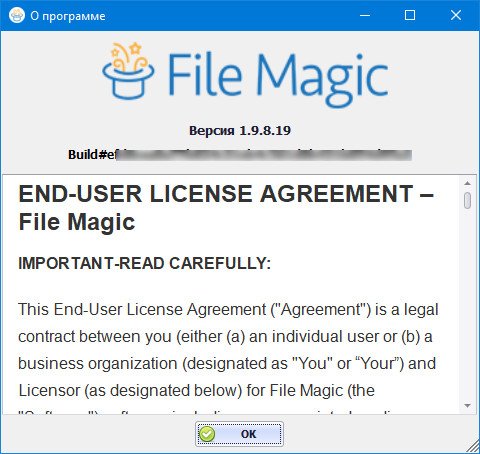
It is also common for 3D files to be only one piece of a set. A model can reference external textures, a scene can reference other models, and animation data can be meant to work with a base character file. When only one of those parts is downloaded or emailed, the recipient sees just one mysterious file. If that file can be identified first, it becomes much easier to request the missing parts or to convert it to a simpler, more portable 3D format for long-term storage. For teams that collect assets from multiple sources, or users who work with old projects, the safest approach is to identify first and convert second. If the file opens today, it is smart to export it to a more common 3D format, because niche formats tend to get harder to open over time.
In summary, this type of 3D resource is best understood as a structured container for 3D information—shape, appearance, and sometimes animation—created by many different tools over many years. Because of that diversity, users frequently encounter 3D files that their system cannot open directly. A multi-format tool such as FileMagic makes it possible to see what the file really is, confirm that it is valid, and choose the right specialized program to continue the work, instead of guessing or abandoning the asset.
- 이전글Reasons Our Puzzle Blog Is the Go-To Hub for Puzzling Enthusiasts Across the Globe 25.12.01
- 다음글New European Regulation Requires Warning Labels On Foods With Artificial Colours 25.12.01
댓글목록
등록된 댓글이 없습니다.